
What Are Specialty Shipping Containers?
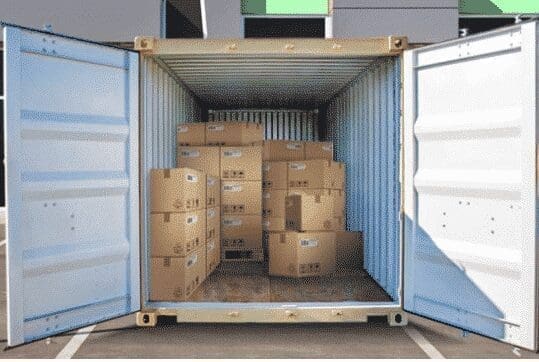
Specialty shipping containers are ISO containers manufactured or modified with non-standard door configurations, structural reinforcements, or open designs to support unique loading, storage, or operational needs.
They are commonly used when:
- Standard end-door access is not sufficient
- Oversized or palletized cargo needs easier handling
- Workflow efficiency is critical
- Containers will be modified, converted, or accessed frequently
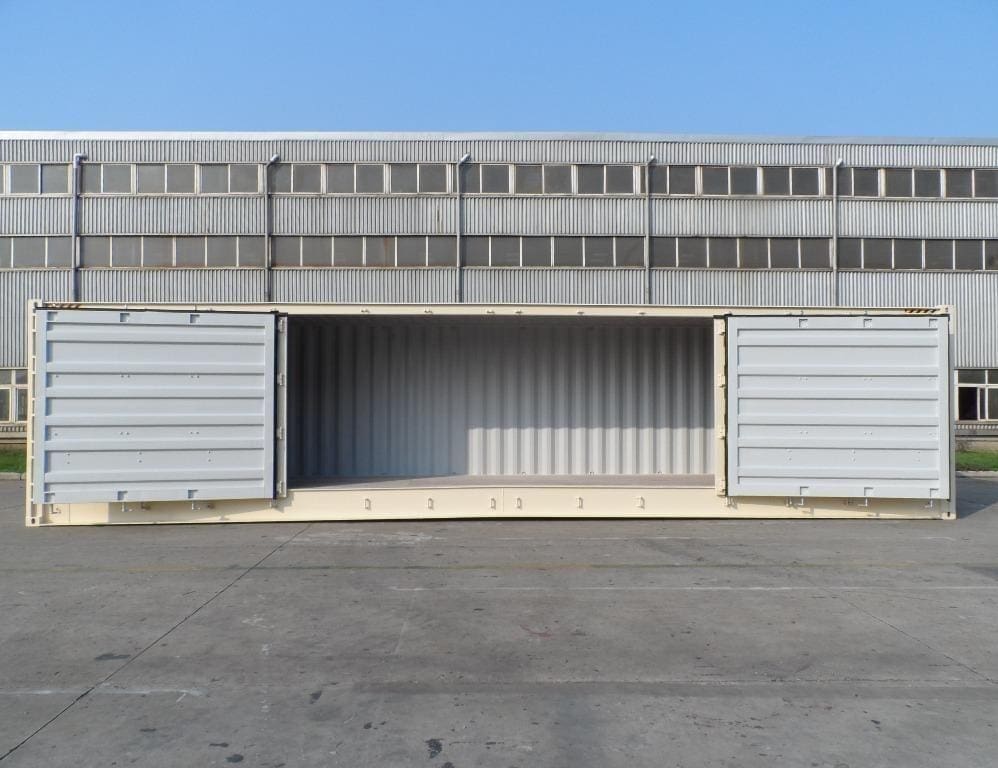
Specialty Container Types
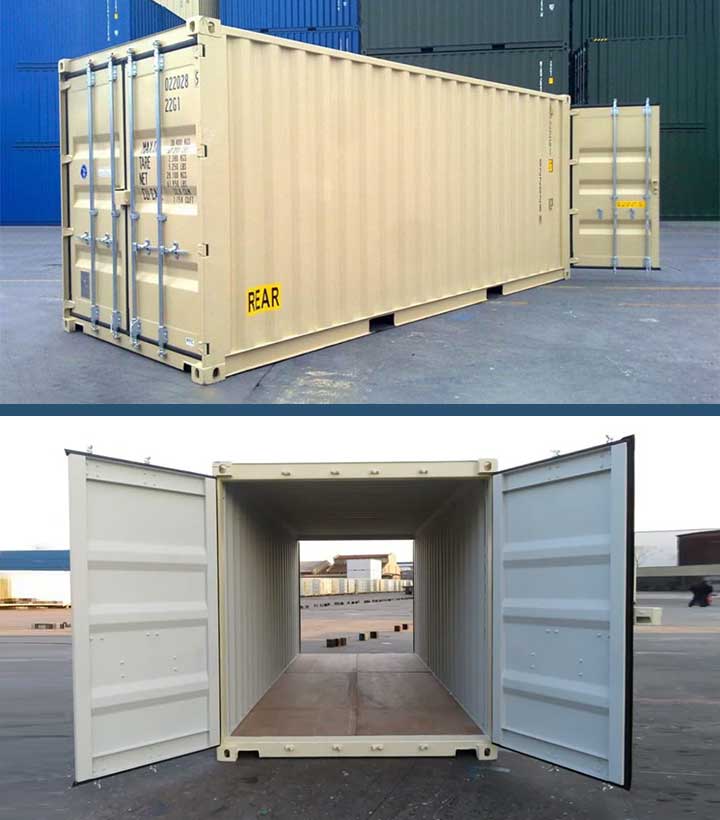
Double Door Both Ends
20 ft, 40 ft & 40 ft HC
Also known as tunnel containers, these units improve workflow and loading efficiency by allowing entry from either end.
Ideal for:
- Warehousing and material staging
- End-to-end loading configurations
- Equipment that requires drive-through access
- Paired or stacked container layouts
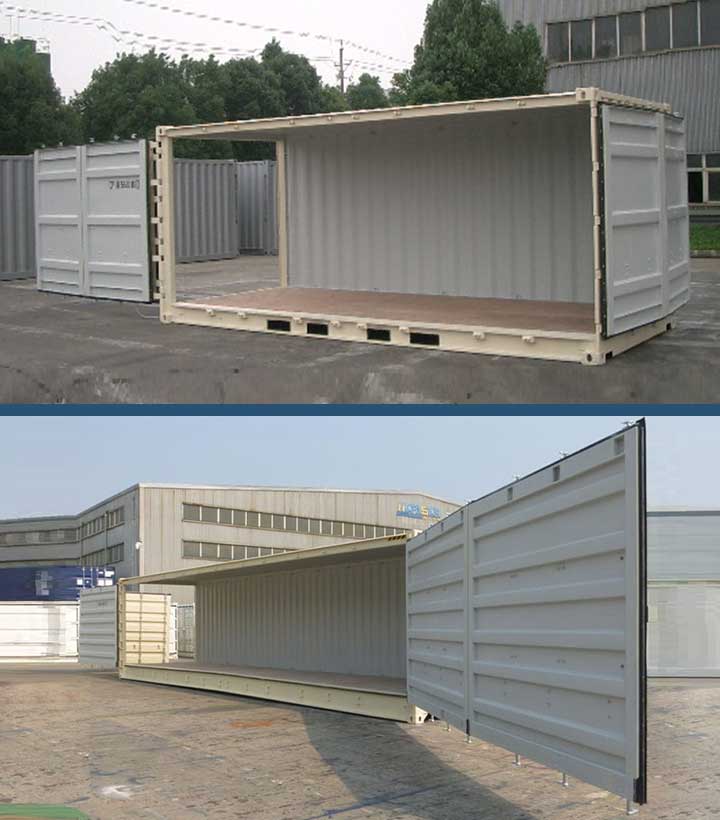
Open-Side
20 ft, 20 ft HC & 40 ft HC
2 Door, 4 Door & Full Door
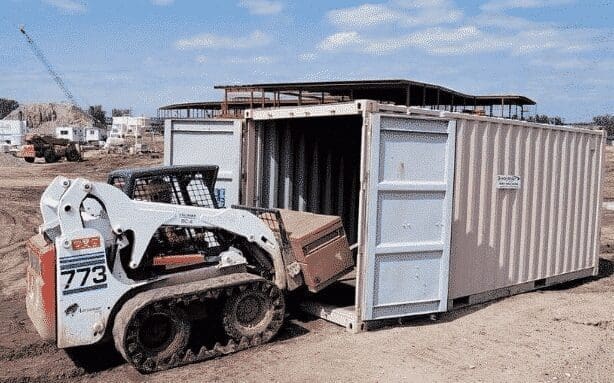
Open-side containers provide unmatched accessibility, allowing forklifts, pallet jacks, and crews to access cargo from the side instead of unloading front to back.
Common uses:
- Retail pop-ups and displays
- Jobsite storage with shelving
- Mobile workshops and fabrication units
- Container conversions requiring frequent access
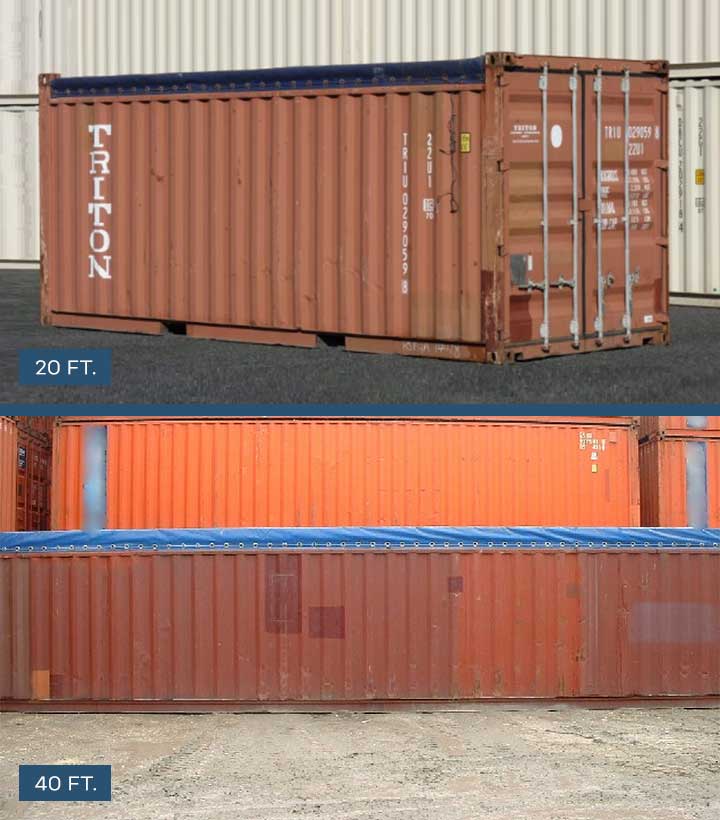
Open Top
20 ft & 40 ft
Flat racks are designed for oversized, heavy, or irregular cargo that cannot fit inside enclosed containers.
Used for:
- Heavy machinery
- Steel, lumber, and large components
- Industrial and project cargo
Available with fixed or collapsible ends.
From Our Blog
Why Buyers Choose Specialty Containers Instead of Modifying Standard Units
Many customers find that starting with a specialty container:
- Reduces modification costs
- Improves long-term durability
- Preserves container value
- Shortens project timelines
Specialty containers are engineered for their purpose from the start—making them a smarter investment for demanding applications.
Who Uses Specialty Shipping Containers?
Specialty containers are commonly purchased by:
- Construction & contracting companies
- Manufacturers and fabricators
- Retail & event operators
- Logistics and warehousing teams
- Municipalities and utilities
- Conversion and container build companies
New One/Trip Shipping Container Uses


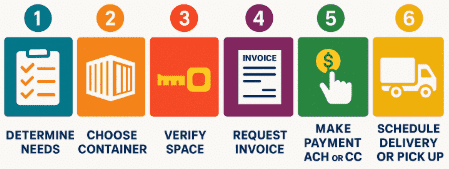
How to Buy A Shipping Container
How to Prepare for a Smooth Shipping Container Delivery
Before your shipping container arrives, a little preparation can make the entire delivery process quick and stress-free.
 Make Sure There’s Enough Space
- Width Clearance: At least 12 ft wide for the delivery truck and container.
- Height Clearance: Minimum 16 ft overhead — free from tree branches, power lines, or building overhangs.
- Straight-Line Access:
- 75 feet for one 20 ft container
- 120 feet for one 40 ft container or two 20-ft containers delivered together
Check Weather & Ground Conditions
- Rain, snow, or soft ground can delay or complicate your delivery. Please make sure the area is dry, firm, and level before the driver arrives.
Prepare a Solid, Level Surface
- A flat surface ensures that your container doors open and close properly after delivery.
- Good base options include gravel, asphalt, or concrete. Avoid soft soil or uneven terrain that could cause settling.
Choose an Accessible Delivery Site
- The delivery truck must be able to drive in, tilt the bed, and roll the container off in a straight line.
- Avoid steep slopes, tight turns, or obstacles — these can make it difficult or impossible to complete delivery safely.
Specialty Container FAQ
Standard containers have doors on one end only. Specialty containers offer additional doors, open sides, open tops, or structural features designed for specific uses.
A high cube container is one foot taller than a standard unit, measuring 9 feet 6 inches in height. That extra foot of space makes it ideal for storing taller equipment, stacking pallets, or creating modified container builds like offices and workshops.
Yes, specialty containers typically cost more due to limited availability, structural complexity, and higher demand—but they often reduce modification and labor costs.
Yes. A 20-foot container can fit most small cars, ATVs, and motorcycles. Larger vehicles or trucks usually need a 40-foot or 40-foot High Cube container for adequate clearance and loading space.
Yes. Most specialty containers are delivered using standard tilt-bed or flatbed trucks, though site access and door orientation planning is especially important.
Most specialty containers are available primarily in new / one-trip condition. Used availability is limited and depends on container type and market conditions.
Many specialty containers are cargo-worthy, but some are designed primarily for storage or static use. We help confirm the right option for your needs.
Yes. Many specialty containers are used as a base for conversions, storage systems, or custom builds.